



In Focus: Agriculture at Abbotsholme
At Abbotsholme, learning is grounded in real experience. This week’s In Focus turns the spotlight on the Agriculture Department and school farm - a setting where ideas around sustainability, responsibility and hands-on education are embedded into daily school life.
Growing For The Future
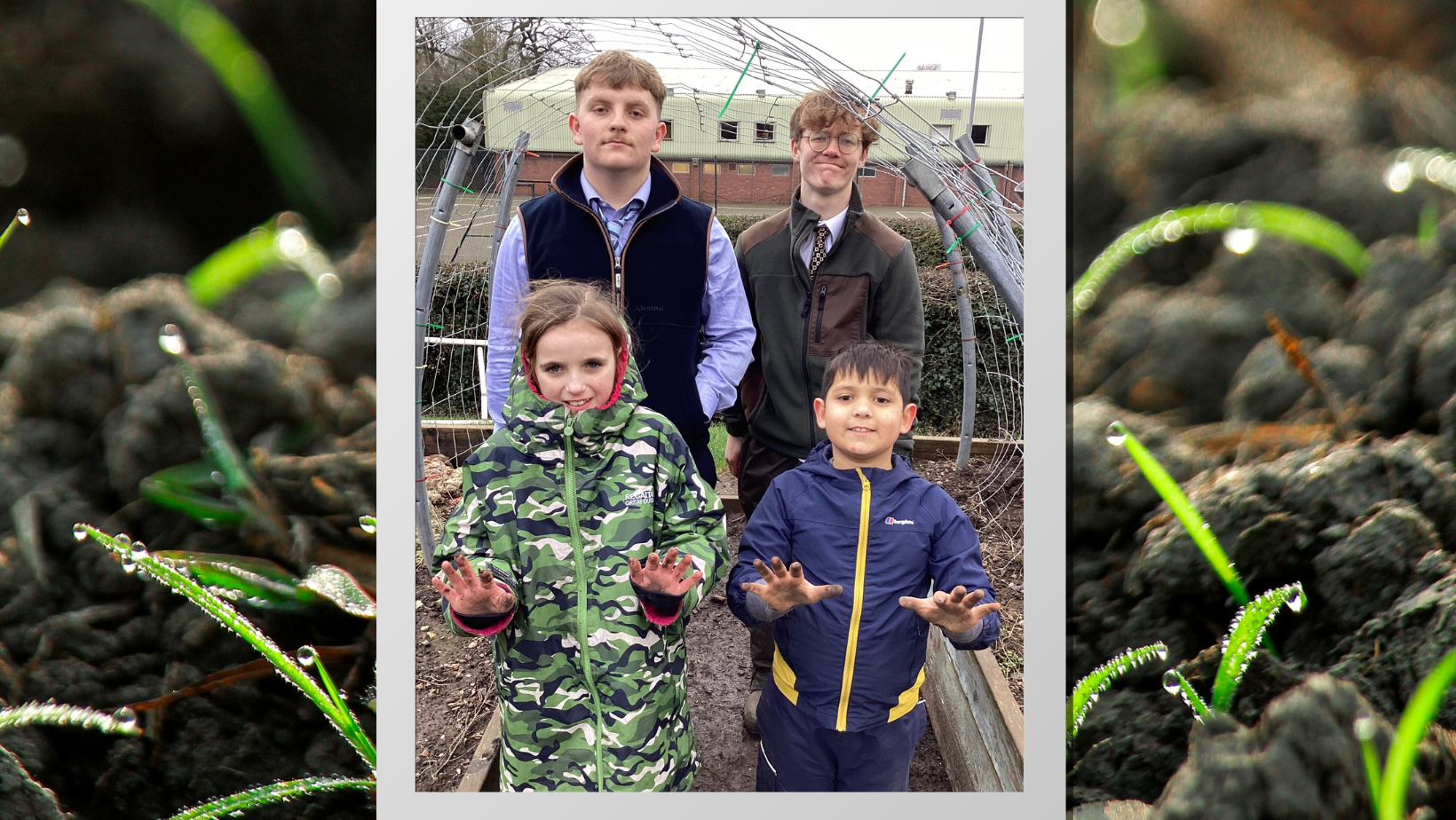
Sustainability starts from the ground up. In collaboration with the Prep School, Year 12 student Will B has developed an insect-friendly, low-maintenance planting scheme for the raised beds. Designed to provide colour and interest throughout the year, the scheme also prioritises pollen-rich plants to support pollinators and local biodiversity.
The planting plan includes edible crops for both chickens and humans, reinforcing the idea that food production, environmental care and community wellbeing are closely connected.
Work began on a cold Friday afternoon, with students digging over the soil to remove roots, improve aeration and increase nutrient content through added manure. Although winter weather has temporarily paused progress, the discovery of abundant worms in the soil was a positive sign of healthy ground. As students quickly learn on the farm, productive spring and summer gardens are built during the colder, wetter months.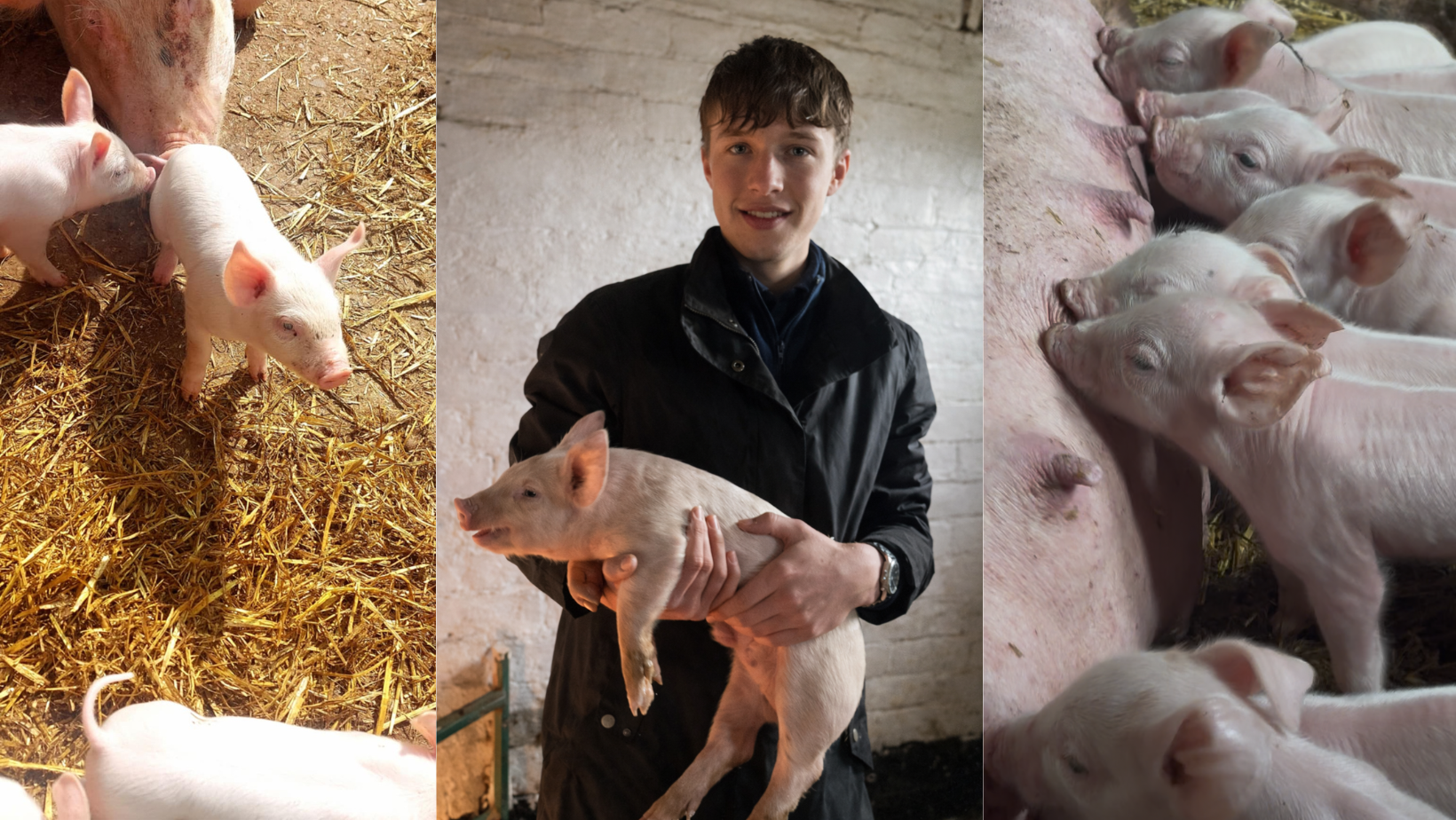
From Field to Fork
This week also marked an important milestone, as four of our home-reared pigs entered the school kitchens. Food miles and carbon footprint are key considerations in modern agriculture, and Abbotsholme’s approach allows students to understand these issues in a tangible, meaningful way.
A typical 0.1kg portion of pork carries a carbon footprint of around 2.4kg, much of which is attributed to transport. Much of the pork consumed in the UK is imported from countries including Denmark, Germany, the Netherlands, Belgium and Ireland.
By contrast, Abbotsholme pork is born on site and travels a total of just 15 miles during its entire lifetime before arriving in the school kitchens. The total transport footprint for all four pigs combined is approximately 4.2kg - a significant reduction when compared with conventional supply chains.
Our two sows, Pumpkin and Sprout (both Middle Whites), each rear two litters per year. Their feed has a carbon footprint of approximately 0.9kg per kilogram of growth. Using this, a rough estimate places each pig’s carbon footprint at around 9g per 100g of meat - significantly lower than typical industry averages!
A Living Classroom
This approach closely reflects the direction now being discussed nationally by organisations such as LEAF Education, the National Farmers’ Union and the Department for Education, where there is growing emphasis on embedding regenerative farming, food security and sustainability within education.
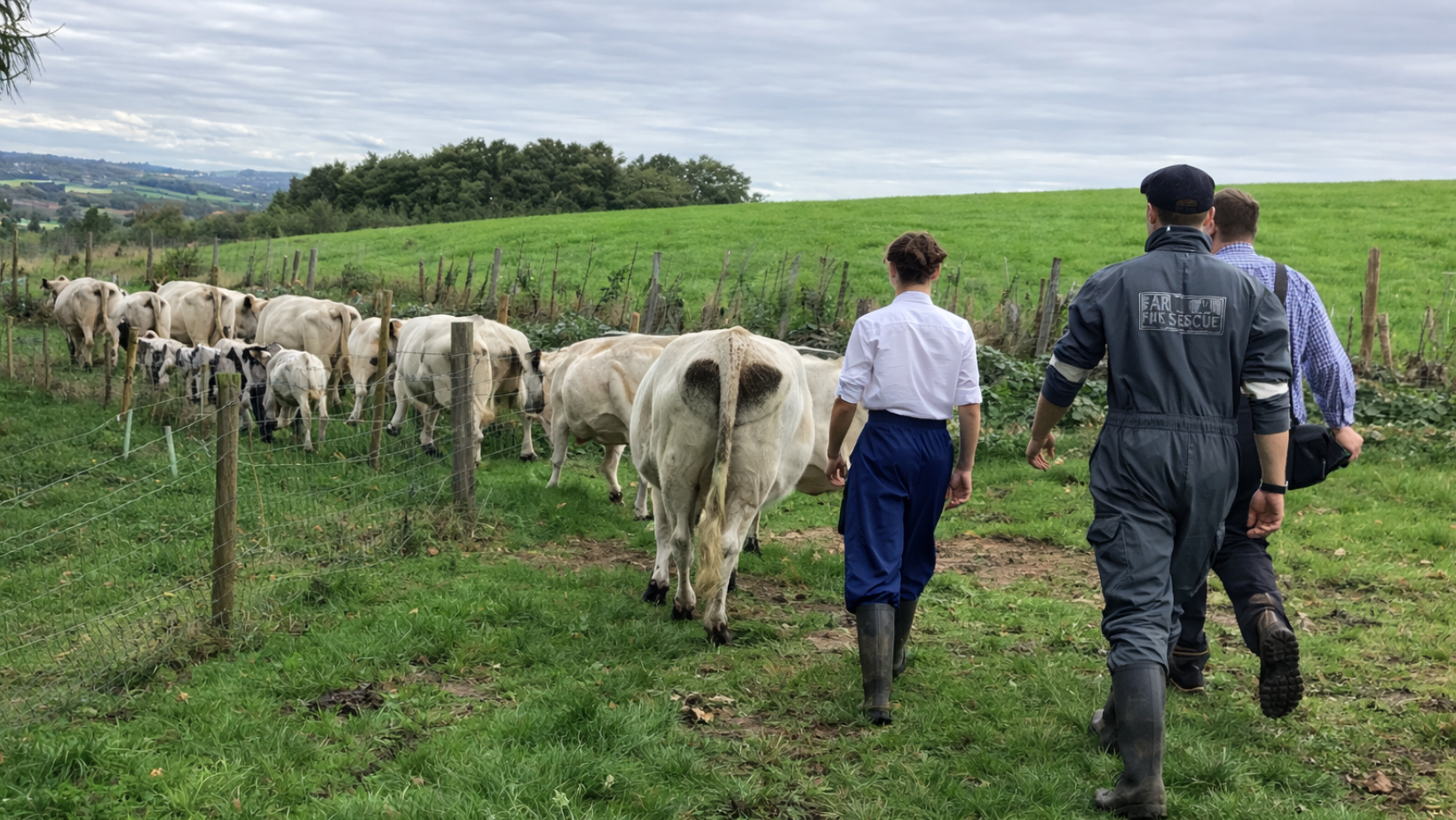
While many schools are being encouraged to strengthen provision in these areas, Abbotsholme has long placed them at the heart of its curriculum. The school farm functions as a living classroom, where students learn not only where food comes from, but why farming choices matter - from animal welfare and soil health to carbon footprint and long-term food resilience, students gain knowledge that extends far beyond agriculture.
Parents who would like to explore these ideas further may be interested in the work of LEAF Education, which highlights why helping children understand where food comes from is such an important part of building environmental awareness and supporting a sustainable future.