



VetPath Summer School Overview
Across the programme, you will explore the key areas of veterinary medicine and animal science, gaining insight, practical experience, and expert guidance in each specialised field.
Exploring Life As A Vet:
-
Discover the breadth of veterinary careers, from farm and equine practice to companion animal care, research, rehabilitation, and wider animal science pathways.
-
Understand the differences between species and settings, exploring how approaches vary between livestock, equine, companion animals, and wildlife.
-
Compare clinical practice with fieldwork, gaining insight into the realities of working within a veterinary clinic versus providing care in rural and farm environments.
-
Explore postgraduate pathways and progression routes, including specialisation, internships, residencies, and academic careers.
-
Hear directly from experienced professionals, who will share honest perspectives on the rewards, pressures, and responsibilities of the profession.
-
Identify the skills and attributes required to succeed, from clinical reasoning and resilience to communication, teamwork, and ethical decision-making.
Small Animal Clinical Skills:
-
Carry out structured clinical examinations on companion animals, learning how to assess health, identify abnormalities, and formulate reasoned differential diagnoses.
-
Develop core emergency response skills, including the principles of first aid and practising CPR techniques using clinical training models.
-
Work through realistic case scenarios, analysing patient histories, interpreting clinical findings, and proposing appropriate treatment plans under guidance.
-
Strengthen professional communication skills, learning how to explain clinical findings clearly, build trust, and respond confidently to client questions.
-
Receive personalised feedback from experienced veterinary professionals, helping you refine your clinical reasoning, communication style, and decision-making.
The Farm Vet:
-
Discover the essential role farm vets play in managing livestock health, supporting sustainable farming, and protecting public health.
-
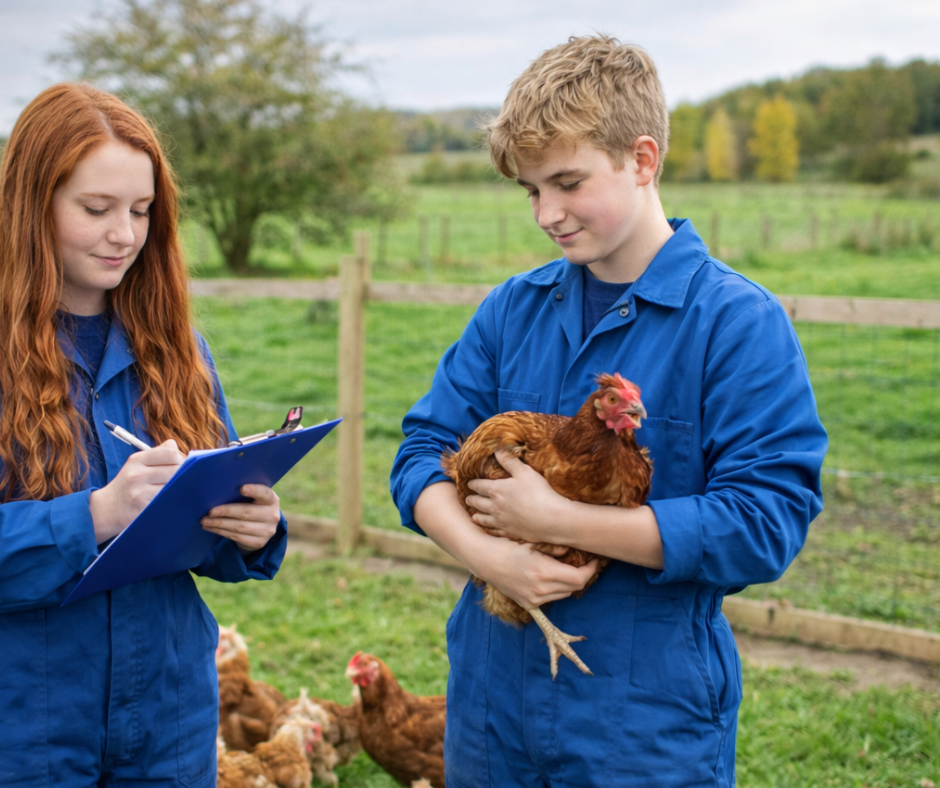
Observe large animal care in action on our working farm, including work with cattle, sheep, goats and poultry.
-
Explore how vets support and advise farmers, contributing to herd and flock health planning, welfare standards, and responsible land management.
-
Examine routine farm procedures, including blood sampling, diagnostic testing, treatment planning, ultrasound use, and national disease control measures such as TB monitoring.
-
Learn how preventative care, nutrition, housing, and behaviour management underpin the long-term health and productivity of farm animals.
The Equine Vet:
-
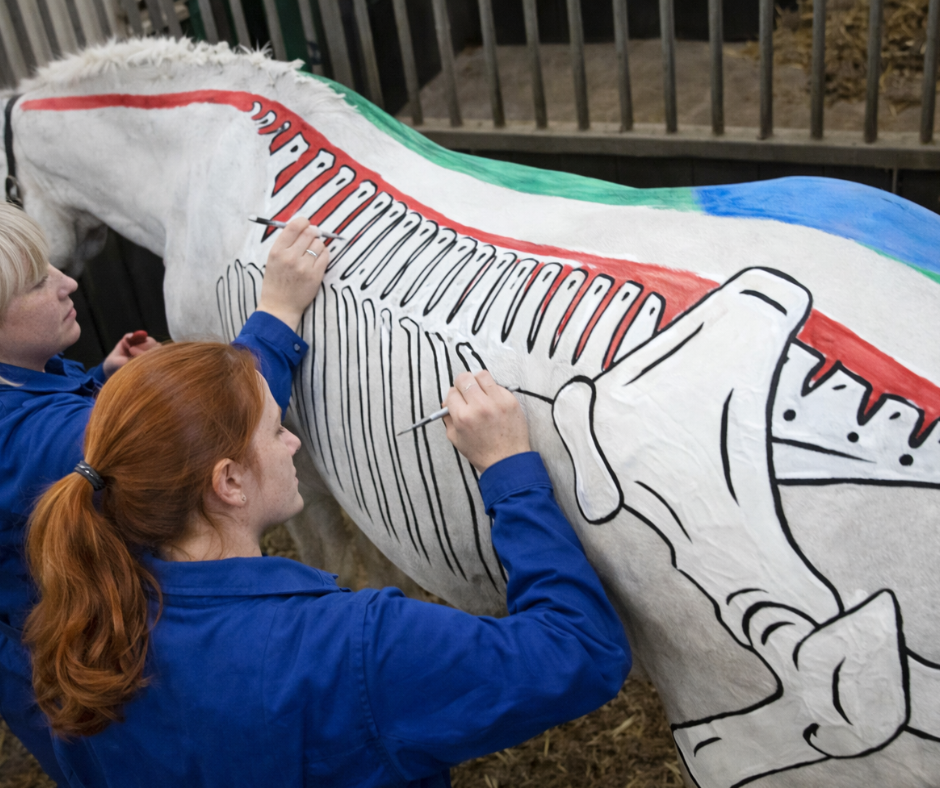
Experience equine practice within our BHS Equestrian Centre, exploring the close partnership between horse and veterinary professional in a structured, welfare-focused environment.
-
Understand the responsibilities of an equine vet, from assessing performance and investigating lameness to supporting rehabilitation and long-term care.
-
Explore a range of diagnostic and therapeutic approaches used in equine medicine, and how treatment plans are adapted to suit individual horses and disciplines.
-
Examine the varied career pathways within equine practice, including work with private owners, competition yards, breeding programmes, and specialist referral centres.
-
Develop confidence working around horses, gaining practical insight into the precision, communication, and professionalism required in this highly respected field.
Vet School Preparation:
-
Make informed subject choices at GCSE, A-level, IB, and beyond, understanding what leading veterinary schools expect from competitive applicants.
-
Plan and secure meaningful work experience, learning how to build a balanced and relevant portfolio across small animal, farm, equine, and wider animal care settings.
-
Develop a strong personal statement, with guided support, model examples, and clear advice on demonstrating reflection, resilience, and commitment.
-
Master interview technique, practising structured responses, ethical scenario discussions, and Multiple Mini Interview (MMI) style stations.
-
Explore how to choose the right veterinary course and university, considering entry requirements, course structure, and special interests.
-
Understand what life is really like at vet school, from academic demands to clinical placements and professional expectations.
-
Discuss the challenges facing modern veterinary applicants, including competition ratios, work experience access, and academic pressure.
-
Receive tailored coaching from experienced veterinary professionals, helping you refine your approach and stand out in a highly competitive field.